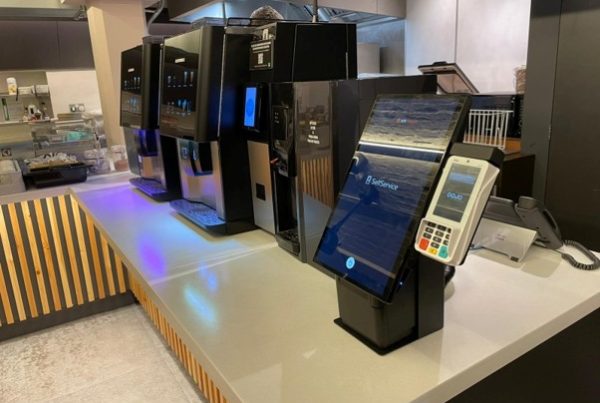
No one likes having to wait for their meal. But in a busy restaurant, speed isn’t just about getting food out quickly. It’s about how smoothly everything works together, from taking orders to sending them to the kitchen, processing payments, and turning tables.

When service slows down, the impact is immediate. Orders back up, staff feel the pressure, customers notice, and it’s a sure-fire way to a poor review and a less-than-glowing reputation. That’s why many restaurant owners turn to EPOS software to improve service speed without adding unnecessary complexity.
A well-implemented EPOS system doesn’t just replace a manual till with an electronic one. Choosing the right EPOS software for a restaurant helps bring structure, visibility, and consistency to the way your restaurant operates. More importantly, it means your customers have a smooth and consistent experience from start to finish.
Keeping Orders Moving Without Bottlenecks
One of the biggest causes of slow service is poor communication between front-of-house and the kitchen. Traditional setups rely on handwritten notes or verbal communication, which can lead to delays or mistakes, especially during peak times. Orders might be unclear, lost, or need to be repeated, all of which slows everything down.
With EPOS systems, including our EPOS software, orders are entered directly into the system and sent instantly to the kitchen. There’s no need to rewrite tickets or double-check details. Everything arrives clearly and in real time.
This means:
- Kitchen teams can start preparing dishes sooner
- Front-of-house staff spend less time correcting errors
- Orders move through the system more efficiently
- Customers get the food they ordered, fast
Faster, More Accurate Restaurant Order Management
When you’re dealing with high volumes, small delays quickly add up. Restaurant order management software helps keep everything organised, even during the busiest periods. Orders are tracked from the moment they’re entered, giving staff visibility of what’s been sent, what’s in progress and what’s ready to serve.
This reduces the risk of duplicate orders, missed items and confusion during peak service, all of which can lead to frayed tempers both in the kitchen and at front-of-house. Instead of relying on memory or paper systems, your team has a clear, shared view of what’s happening across the restaurant.
Speeding Up Payments And Reducing Queues
Payment is another area where delays often occur. When people have finished and ask for the bill, they expect it to arrive promptly along with a friendly server and a handheld payment terminal. However, this doesn’t always happen. Waiting for bills, processing transactions and splitting payments can all slow things down and cause friction.
An EPOS system for a restaurant allows staff to process transactions quickly and accurately, with:
- Fast card and contactless payments
- Simple bill splitting
- Clear itemised receipts
This removes the need for on-the-spot mental maths and helps speed up service.
By reducing the time it takes to settle bills, you not only improve the customer experience but also free up tables more quickly.
Supporting Staff During Busy Service
When service is under pressure, your team needs systems that help them, not slow them down. EPOS systems, including our EPOS software, simplify everyday tasks so staff can focus on service rather than admin. Instead of juggling multiple processes, everything is handled in one place.
Because the system is consistent, training new staff becomes easier too. They can pick things up quickly and start contributing sooner, which is particularly important in an industry with high staff turnover.
Keeping Operations Running Smoothly Behind The Scenes
Service speed isn’t just about what customers see. It’s also influenced by what’s happening behind the scenes.
EPOS systems automate key tasks, including:
- Stock tracking
- Sales reporting
- Basic staff management
This helps prevent issues that can slow service down, such as running out of key ingredients or being understaffed at peak times.
Improving The Overall Customer Experience
From a customer’s point of view, speed is important but so too is consistency and the overall experience. A faster service gives them shorter waiting times, fewer mistakes and ultimately a smoother, nicer night out. And when everything runs well, customers are more likely to return. They know what to expect and feel confident in your service.
Supporting Growth Without Losing Control
As your restaurant grows, maintaining service speed becomes more challenging. More covers, more staff and more complexity can all slow things down if systems aren’t in place to support them.
Scalable EPOS software helps you manage this growth without losing control. Whether you’re expanding your menu, increasing capacity or opening additional locations, the system adapts with you. This ensures that the level of service your customers expect doesn’t drop as your business evolves.
How EPOS Software Helps Improve Service Speed
Improving service speed is about giving your team the tools and structure to work efficiently. EPOS software for restaurant businesses does exactly that – it removes unnecessary delays, improves communication and keeps everything moving in a clear, organised way.
As a busy restaurant owner, it gives you greater visibility and control, and for your staff it makes their day easier and less stressful. This leads to faster service, fewer mistakes, and a better overall experience for your customers, which naturally results in more positive reviews.
Choosing The Right EPOS Software For Restaurant Operations
Every restaurant runs differently, and the right EPOS setup depends on how your service actually works day to day.
At Gardiff EPOS, we take a practical approach, focusing on systems that perform reliably under pressure and support your team during busy service – including our EPOS software where appropriate.
If you’re considering a change, get in touch for a straightforward conversation about what would suit your business and whether our EPOS software could support the way you operate.